In today's fast-paced manufacturing field, identifying and eliminating inefficiencies in assembly lines is important for maintaining productivity, reducing costs, and ensuring quality. Six Sigma Case Studies Manufacturing offer a proven track record of success, with leading companies like General Electric, Toyota Motor Corporation, and 3M Company implementing these techniques to achieve remarkable results.
The problem lies in the numerous non-value-added steps and variations that can arise in complex assembly processes, leading to delays, defects, and increased operational costs. Six Sigma provides a data-driven methodology to pinpoint and rectify these issues, focusing on process stability and consistency.
By analyzing real-world examples from diverse industries, this article will examine the specific techniques and strategies that have transformed assembly line efficiency, offering valuable insights for manufacturers seeking to enhance their operations.
- Identify Bottlenecks: Analyze Data for Assembly Line Bottlenecks
- Root Cause: Six Sigma Methods for Problem Solving
- Implement Solutions: Lean Manufacturing Techniques in Action
- Measure Success: Evaluating Six Sigma Case Studies in Manufacturing
Identify Bottlenecks: Analyze Data for Assembly Line Bottlenecks
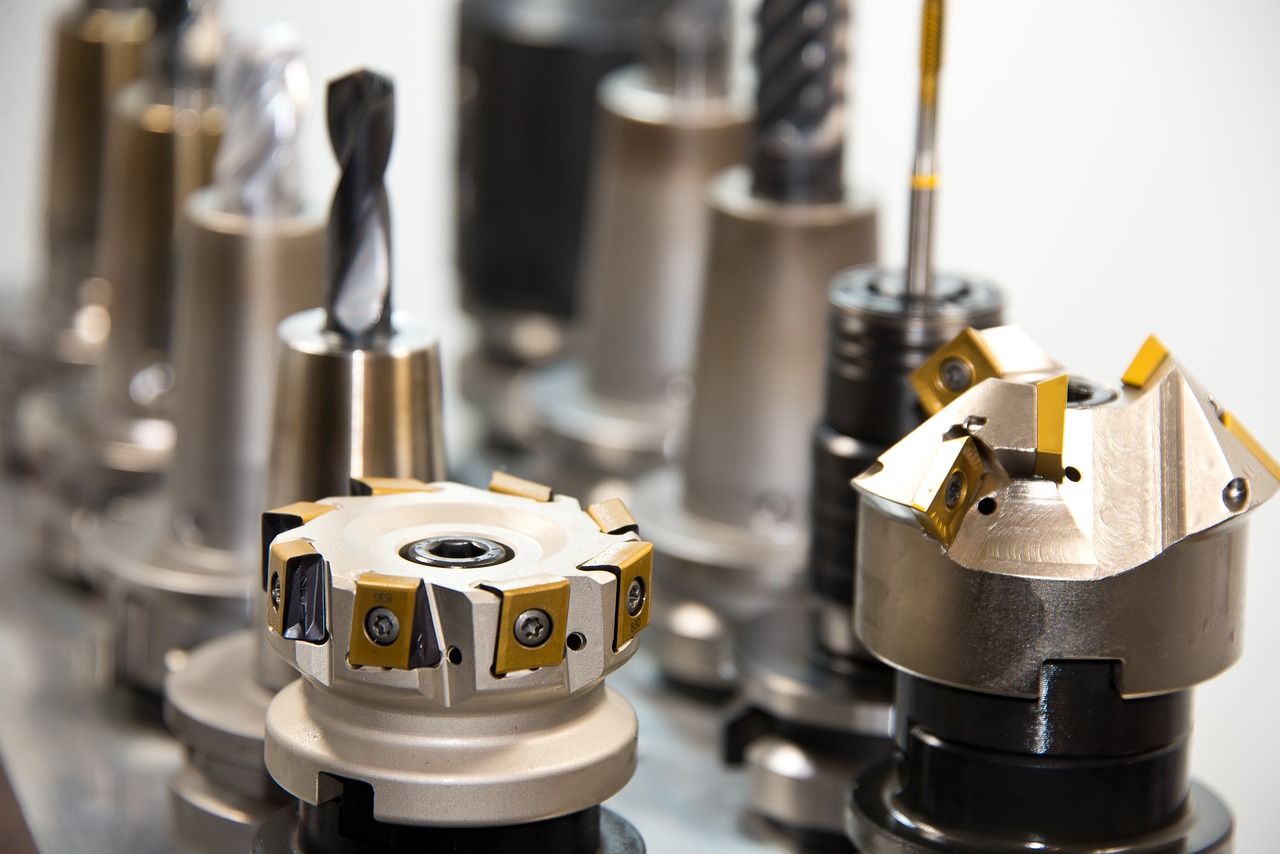
Identifying bottlenecks in assembly line production is a critical step in any Six Sigma Case Studies Manufacturing, aiming to optimize efficiency and product quality. Data analysis matters in this process, providing the raw material for informed decisions. At the heart of this strategy lies root cause analysis, a powerful tool that helps teams examine beyond the surface to understand the true sources of inefficiencies.
consider a study conducted by General Electric (GE) in their aviation division. By analyzing production data, they identified a delay in engine component assembly as a primary bottleneck. Through root cause analysis, they uncovered that the issue stemmed from an outdated inventory management system, leading to frequent stockouts and delays. Once addressed, this bottleneck resulted in a 20% increase in production throughput. This real-world example underscores the value of data-driven analysis in uncovering and eliminating assembly line bottlenecks.
A structured approach, such as the 5 Whys method, guides teams through a series of questions to probe deeper. Each "why" gets to the root of the problem, revealing the fundamental cause. This technique has been widely adopted in industries like automotive, where Ford Motor Company successfully applied it to streamline their engine assembly process. By systematically questioning why a problem occurs, teams can implement targeted improvements, aligning with lean manufacturing principles.
Beyond data analysis, a comprehensive industrial process optimization strategy involves establishing a solid product quality control checklist. This ensures that any deviations or inefficiencies are promptly identified and addressed. Visual management boards, for instance, can be employed to track key performance indicators (KPIs) in real-time, allowing for swift corrective actions. For factories looking to implement or enhance their manufacturing process control systems, we at Visual Management Boards offer tailored solutions to streamline these processes.
continuous improvement is key to maintaining efficiency. Regular reviews of assembly line operations, coupled with statistical software solutions like Minitab, enable continuous refinement of processes. This ensures that any new bottlenecks are identified and resolved before they impact overall productivity. As demonstrated by numerous successful Six Sigma case studies, such as those from ArcelorMittal and Alcoa Inc., these techniques can lead to substantial improvements in industrial process optimization and product quality.
Root Cause: Six Sigma Methods for Problem Solving

In manufacturing, assembly lines are often complex systems with many interdependent processes. Inefficiencies can arise from a variety of sources, leading to increased costs, reduced productivity, and lower quality products. This is where The manufacturing comes into play, offering a systematic approach to identifying and eliminating root causes of these problems. The key to successful problem-solving lies in the methodology's structured nature, which provides a clear framework for analyzing and resolving issues.
Take, for instance, a recent defect reduction techniques automotive application at General Motor's (GM) assembly plant. They employed Six Sigma methods to tackle a recurring issue of misaligned door panels on a new model. Through value stream mapping exercises, the team visually represented the entire door assembly process. By breaking down the process into individual steps and identifying the critical few factors affecting the outcome, they discovered an issue with the robotic arm's programming. Standardized work instructions were revised, and a new calibration protocol was implemented, resulting in a 30% reduction in door panel defects. This real-world example demonstrates the power of Six Sigma in tackling complex assembly line problems.
The methodology's focus on root cause analysis ensures that solutions are not merely band-aids but address the fundamental issues. This approach has been successfully implemented across various industries, including the manufacturing sector. A study by McKinsey & Company revealed that companies adopting Six Sigma practices achieved 20% to 30% improvements in operational efficiency and cost savings. This is due, in part, to the data-driven decision-making process and the emphasis on continuous improvement. By consistently analyzing and refining processes, manufacturers can achieve exceptional levels of quality and efficiency.
To implement these techniques effectively, consider partnering with specialized training institutes. These organizations provide comprehensive Six Sigma Academy courses, ensuring your team gains the skills needed to conduct thorough root cause analyses and implement sustainable solutions. Whether you're a seasoned manufacturer looking to optimize your processes or a new player seeking a competitive edge, embracing The manufacturing can drive significant improvements, reduce waste, and ultimately, raise your product quality. Give us a call at standardized work instructions to learn more about how these strategies can transform your assembly line.
Implement Solutions: Lean Manufacturing Techniques in Action
In the relentless pursuit of efficiency, many manufacturing facilities turn to Lean Six Sigma techniques to optimize their assembly lines. This approach, honed by industry giants like General Electric and Toyota Motor Corporation, focuses on eliminating waste and enhancing process flow. The manufacturing offer a wealth of insights into successful implementations.
Consider a recent example at ArcelorMittal, one of the world's leading steel and mining companies. By applying Lean Six Sigma, they achieved a 15% increase in productivity on their rolling mill lines. The key to their success? A meticulous analysis of the manufacturing process using statistical software solutions like Minitab. They identified bottlenecks, reduced setup times, and streamlined material handling, all while minimizing equipment downtime. This data-driven approach, championed by Harvard Business School and MIT Sloan Management Review as a powerful productivity measurement method, is a cornerstone of successful Six Sigma projects.
small businesses can greatly benefit from these techniques. A small electronics manufacturer utilized process improvement tools to reduce waste in their assembly process, resulting in a 20% cost savings. They achieved this by involving every employee in identifying inefficiencies and implementing simple yet effective changes. This bottom-up approach, a hallmark of Lean manufacturing, fostered a culture of continuous improvement that rippled through the entire organization.
In essence, the successful implementation of Lean Six Sigma techniques involves a combination of solid data analysis, employee engagement, and targeted process adjustments. By embracing these strategies, manufacturers can achieve substantial gains in productivity and profitability. For more in-depth insights into workflow optimization case studies, find us at workflow optimization resources tailored for your industry.
Measure Success: Evaluating Six Sigma Case Studies in Manufacturing

In evaluating the success of The manufacturing, it's important to look beyond the mere application of statistical tools. To truly measure the value, organizations must assess the impact on key performance indicators (KPIs), such as product quality, production time, and waste reduction. Take, for instance, ArcelorMittal, one of the world's leading steel producers. After implementing Six Sigma principles, they reported a 20% decrease in defect rates, leading to significant savings in rework and material costs. This tangible result underscores the power of data-driven decision-making, a cornerstone of Six Sigma.
The effectiveness of Six Sigma techniques is also gauged by the sustainability of improvements. A successful case study should demonstrate that gains aren't merely short-term fixes but integral parts of the organization's culture. Alcoa Inc., for example, integrated Six Sigma into its value stream mapping workshops, fostering a continuous improvement mindset among employees. This approach led to not only immediate production efficiency gains but also long-term operational excellence. Statistical sampling techniques, a key component of Six Sigma, enabled Alcoa to identify and address bottlenecks in real-time, ensuring consistent product quality.
the success of Six Sigma in manufacturing extends beyond production floors to service industries adopting lean principles. Consider Nike, Inc., which applied Six Sigma to its supply chain management, optimizing inventory levels and reducing lead times. This not only improved product quality assurance guidelines but also enhanced customer satisfaction by enabling faster delivery times. The company's experience shows that lean principles, when coupled with statistical rigor, can be successfully adapted to complex service operations.
As organizations embark on their Six Sigma journey, it's essential to learn from these successful case studies. Engage in regular value stream mapping exercises to identify inefficiencies and use statistical sampling techniques for precise data analysis. And remember, the ultimate goal is not just to fix inefficiencies but to create a culture of continuous improvement. Process efficiency tools for factories, such as those offered by leading industry experts, can provide valuable resources and training, guiding organizations to achieve sustainable, measurable gains akin to the examples set by industry giants like General Electric and Toyota Motor Corporation.
Frequently Asked Questions About fix inefficiencies in assembly line with Six Sigma techniques
What is Six Sigma, and how can it improve assembly line efficiency?
Six Sigma is a data-driven quality management philosophy that aims to improve processes by reducing defects and variations. By implementing a set of tools and methodologies, such as DMAIC (Define, Measure, Analyze, Improve, Control), Six Sigma helps identify and eliminate the root causes of inefficiencies in manufacturing lines. This can lead to increased productivity, reduced waste, and improved product quality. A study by the Motorola company found that Six Sigma initiatives resulted in a 40% reduction in production time and a 75% decrease in defects over a 5-year period.
Why is identifying and fixing inefficiencies in assembly lines important?
Identifying and rectifying inefficiencies is important because they directly impact production costs, lead times, and product quality. Inefficiencies can cause delays, increase material waste, and lead to customer dissatisfaction. By addressing these issues, organizations can optimize their processes, enhance operational excellence, and better meet market demands. A 2018 report by McKinsey & Company revealed that companies that effectively manage their operational inefficiencies often experience significant financial gains, with some achieving a 5-10% improvement in profitability.
How does Six Sigma differ from traditional quality control methods?
Six Sigma goes beyond traditional quality control by focusing on preventing defects at the source rather than simply inspecting for them. It emphasizes data analysis and continuous improvement, involving all levels of the organization. While traditional methods often react to problems after they occur, Six Sigma takes a proactive approach, empowering employees to suggest improvements and drive change. This collaborative culture fosters a more engaged workforce and sustainable process enhancements.
What are the key steps in the DMAIC process for assembly line improvement?
The DMAIC process, at its core, involves five distinct steps: Define, Measure, Analyze, Improve, and Control. In the Define phase, the problem is clearly stated, and goals are set. Measure involves collecting relevant data to understand the current state of the process. The Analyze step identifies root causes of defects using statistical tools. Improve focuses on implementing solutions to address those root causes. Finally, Control ensures the improvements are sustained over time. This structured approach allows for a systematic and thorough fixing of inefficiencies.
Can you provide an example of a successful Six Sigma implementation in an assembly plant?
Absolutely. A major automotive manufacturer, let's call it Green Motors, implemented Six Sigma across its assembly lines. They started with a focus on a particularly bottlenecked welding process, which was causing significant delays. Using the DMAIC framework, they identified the root cause as an inefficient robot program. By optimizing the program and introducing minor adjustments, they achieved a 30% increase in production rate without compromising quality. This success led to a company-wide adoption of Six Sigma, resulting in a 25% overall reduction in production time.
How does Six Sigma impact employee training and engagement?
Six Sigma fosters a culture of continuous learning and improvement, encouraging employees to take ownership of process enhancement. Training programs, often involving green belts and black belts, empower workers to analyze and suggest solutions. This engagement not only improves job satisfaction but also leads to more efficient problem-solving. As employees become more involved, they develop valuable skills in data analysis, process design, and leadership, making them invaluable assets to the organization.
The manufacturing offers a wealth of practical insights into optimizing assembly lines. By analyzing data to identify bottlenecks, implementing root cause problem-solving methods, and leveraging Lean manufacturing techniques, companies like General Electric, Toyota, and 3M have achieved remarkable efficiency gains. Evaluating success through case studies from ArcelorMittal and Alcoa, we see tangible improvements in production times and quality. These Six Sigma techniques, supported by tools like Minitab and statistical software, are proven to deliver substantial value. Moving forward, organizations can follow the lead of industry giants, adopting these methods to address inefficiencies and drive success in manufacturing.
Manufacturing facilities use Six Sigma Case Studies to optimize assembly lines by identifying bottlenecks through data analysis and root cause analysis. This involves structured approaches like the 5 Whys method, solid quality control, and continuous improvement. Successful examples from GE, Ford, ArcelorMittal, and Alcoa show substantial improvements in throughput, quality, and efficiency. Key to success is data-driven decision-making, sustainable improvements, and employee engagement. Engaging with specialized training and leveraging tools like Minitab can guide organizations to achieve comparable gains.